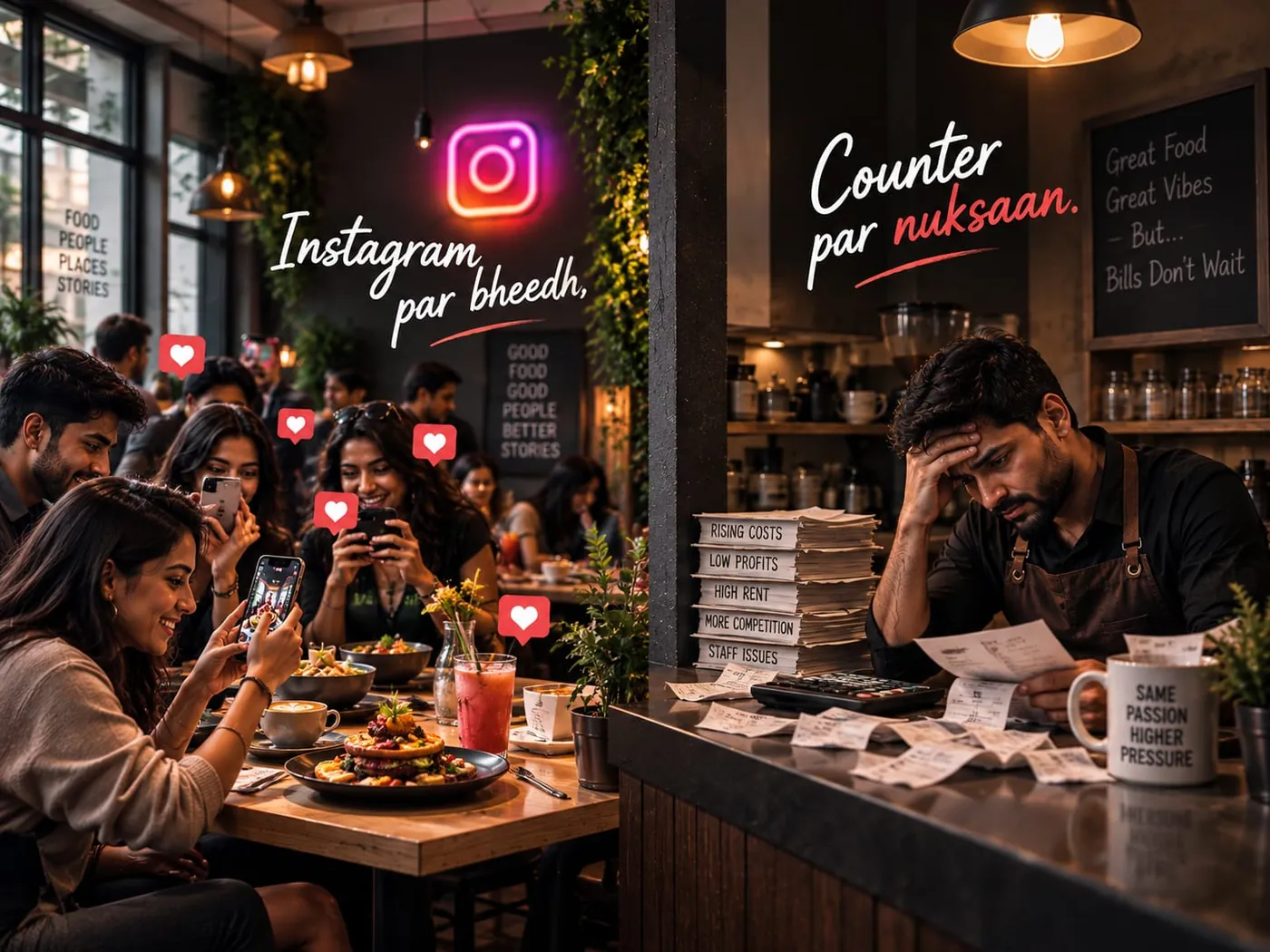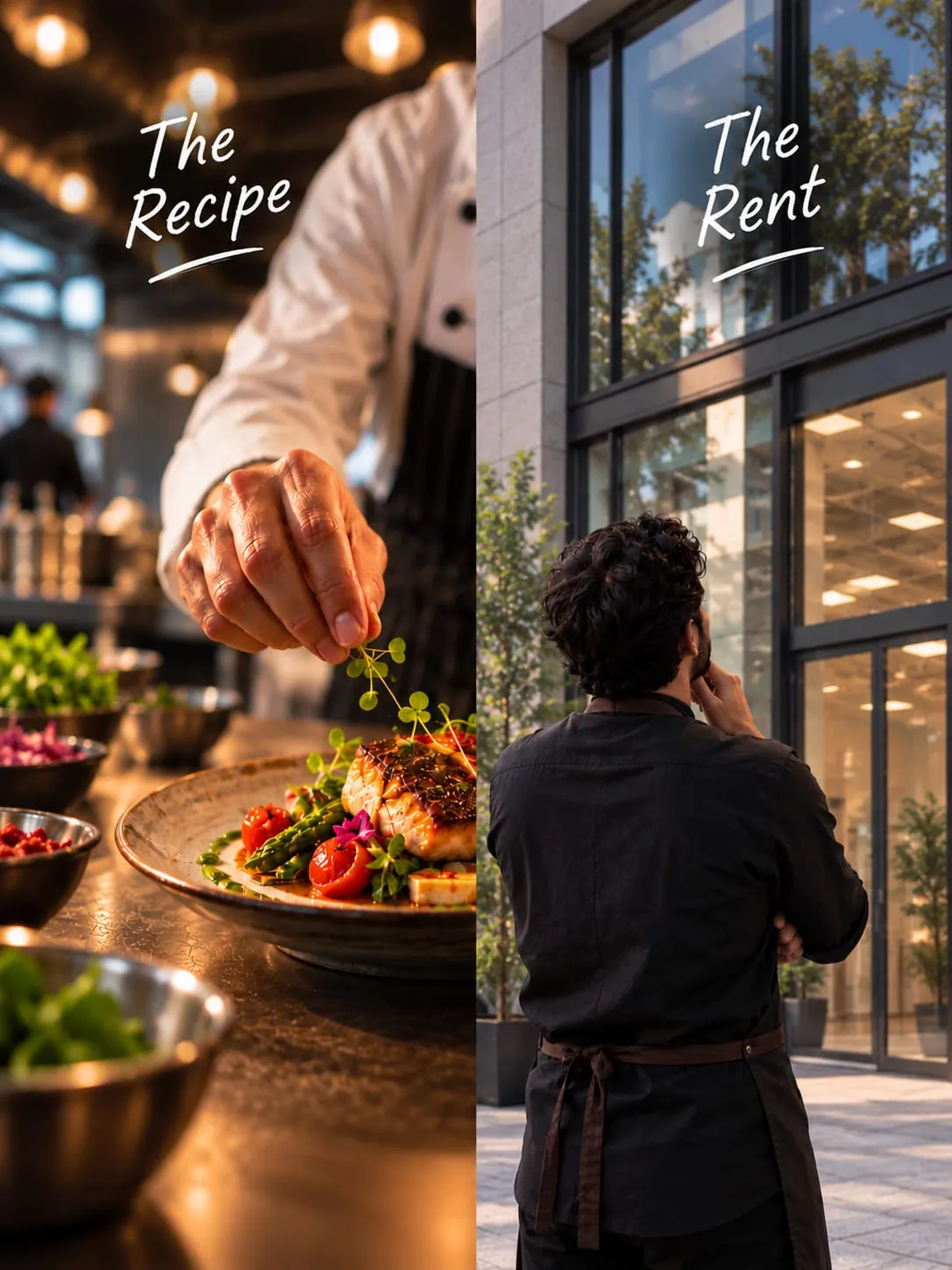
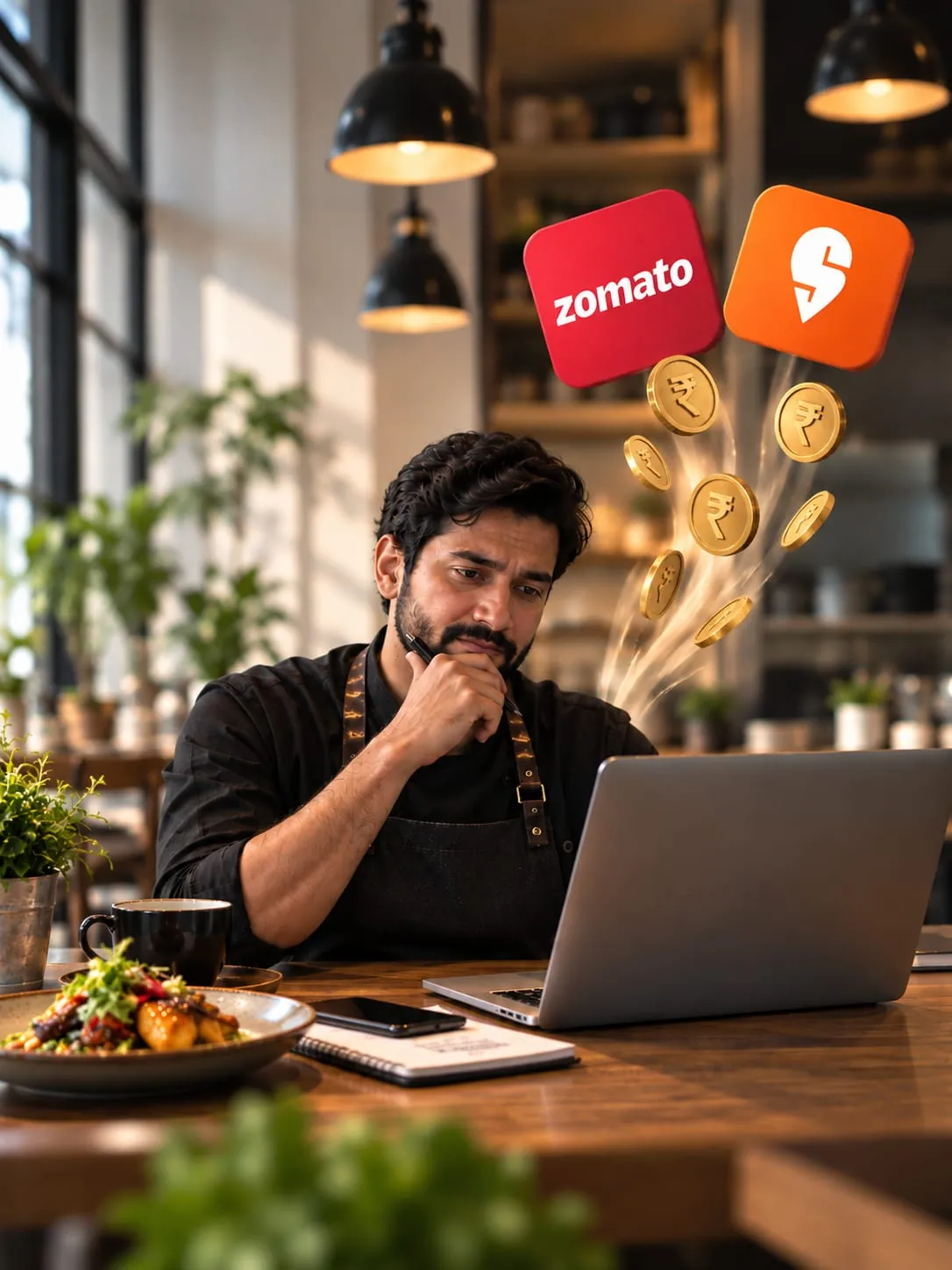
For café owners, being available on delivery platforms is only the beginning. Understanding the economics is the real challenge.
A delivery platform can put a café in front of thousands of potential customers without requiring those customers to physically pass the storefront. That makes platforms such as Swiggy and Zomato valuable channels for discovery and high-velocity ordering.
"There is a fundamental difference between being busy and being profitable. A café receiving a high volume of delivery orders may appear to be thriving, yet the owner must look far beyond gross GMV to understand what each order actually leaves behind."
What Does One Delivery Order Really Cost?
The listed menu price of a dish is rarely what the café keeps in the bank. Owners need to account for the complete delivery economics breakdown:
• Specialised Delivery Packaging & Sealing
• Platform Commission & Onboarding Take-Rates
• Funded Discounts, Ads, & Visibility Bids
• Rider Wait Times & Kitchen Rush Interference
• Transit Spillage, Wastage & Customer Refund Claims
Only after deducting these cumulative factors can an owner calculate the actual net contribution from an order. This is particularly vital for low-ticket orders, where fixed packaging and commission fees eat up the majority of gross margin.
Your Dine-In Menu May Not Be Your Delivery Menu
This is one of the most critical operational lessons for cafés functioning across both physical dining rooms and digital aggregators.
Some items are engineered for immediate table consumption. Others travel well. A crispy dish easily turns soggy during a 30-minute bike ride in a sealed container. A delicate dessert melts under ambient temperatures. An espresso-based drink loses its silky microfoam and thermal balance within minutes.
The customer doesn't dissect the failure into a “courier delay problem” or a “kitchen recipe problem.” They simply judge your brand. Delivery suitability is fundamentally a culinary and packaging development decision.
Packaging Is An Operational Cost — And A Brand Touchpoint
Delivery packaging has two distinct jobs:
1. It must protect the food integrity under transit conditions.
2. It must make strict commercial and financial sense.
Over-packaging inflates unit costs unnecessarily. Under-packaging damages the food and guarantees poor reviews. Packaging decisions must balance temperature retention, ventilation, spill resistance, and presentation with cost-per-unit economics.
A delivery order is still an intimate customer touchpoint. The dining table has simply been replaced by the customer's front door.
Discounts Can Create Volume — But What Happens After?
Promotional pricing and deep platform discounts undeniably generate sudden volume and temporary algorithm rank bumps. But owners must analyze what happens when the offer expires.
Delivery Data Can Inform Your Menu
One decisive advantage of aggregator platforms is the rich analytics they provide. Owners should consistently study:
• Which SKUs demonstrate the highest organic reorder rate?
• Which items are repeatedly paired together in high-margin carts?
• What are your exact peak ordering windows?
• Which dishes generate the most consistency or spillage complaints?
• Which popular items drive top-line revenue but contribute virtually zero profit?
Instead of treating aggregators purely as order tickets, forward-thinking cafés leverage this operational data to refine menu engineering and raw material procurement.
Delivery Should Complement The Café — Not Complicate It
The ideal delivery strategy depends entirely on your specific hospitality model. For some cloud kitchens and quick-service spots, delivery is the lifeblood of the enterprise. For an experiential, sit-down café, it may simply serve as discovery marketing or incremental volume during slow mid-week hours.
There is no universal aggregator template that works for every operator. What matters is total clarity on your own unit economics.
"More orders create activity. Understanding the numbers creates control."